OP-ED BY ANGELA GREEN
Originally published in The Post, 1 October 2026. Read the full version below.
I'm a theatre-maker by trade. I know what lights, costumes and imagination can conjure - and I know what it costs to make that magic look effortless. Our industry runs on the notion that the show must go on. Perhaps we’ve made that look easy.
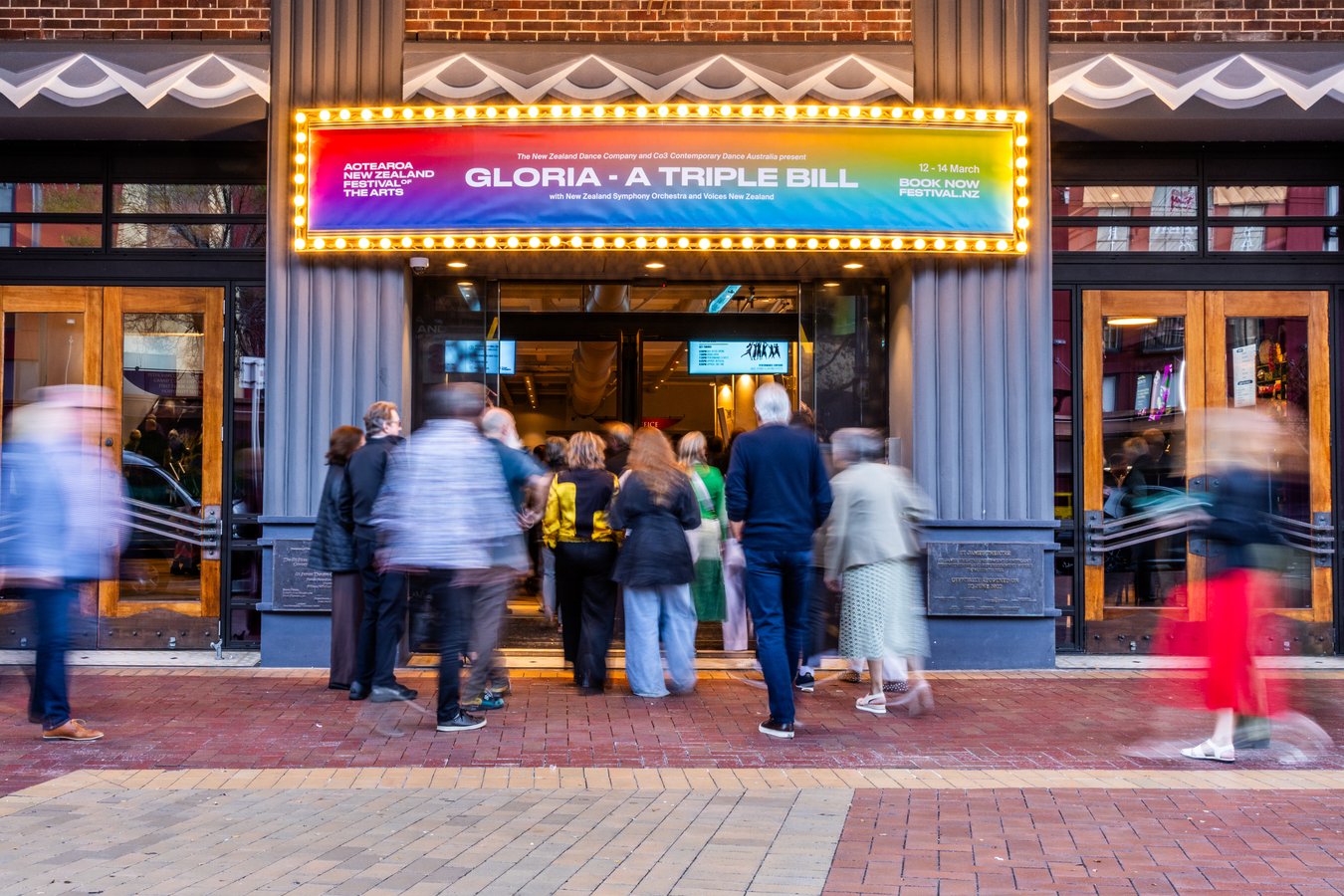
In March this year, the Aotearoa New Zealand Festival of the Arts delivered a programme with the smallest budget in decades. We’ve absorbed, adapted, fundraised, partnered up and done more for less to bring meaningful experiences to diverse audiences.
BERL's independent economic impact report confirms what we felt and saw: people love this Festival and our company, Tāwhiri, loves putting it on. There were more than 200,000 attendances by 86,115 people, many attending multiple events. Six hundred artists and crew lit up our stages. Audience satisfaction reached 96%, one of the highest scores in recent Festival history. Visitors from outside Wellington numbered 17,700; the economic impact on Wellington's GDP was $25.6 million.
On paper, and in audience feedback, it was a success. But increasingly, success doesn’t guarantee sustainability. The reality is, the financials no longer stack up, a challenge shared with many arts organisations in New Zealand. We need to be transparent about what it will take to keep delivering this beloved festival.
This isn’t a story about lack of ambition, talent or vision, it's about what it costs to build a stage, ship a set, pay fair wages, hire a venue and bring a world-class production here. Putting on a show has always required raising additional funds beyond the box office. Costs for putting on a Festival show have risen more than 40% since 2016, with many costs paid more than a year before the first ticket is sold. Arts grants have been declining in real terms for decades and corporate sponsorship has dried up. In a cost-of-living crisis, there is more demand on community trusts and philanthropists than ever. No increase in ticket prices or sales can close that gap.
To those who say the Festival feels smaller than it used to, with fewer moments that stop the city in its tracks, you are heard. Large-scale events, the kind that generate palpable energy across the city, can cost millions beyond what we can raise. When there’s dedicated investment available, we pursue it.
We have reached the point of less is less. Yet audiences haven't lowered their expectations, artists haven't lowered their standards, and we certainly haven’t lowered our ambitions.
This isn’t just about the Festival, but what sits behind it: decades of relationships, systems and creative infrastructure. It’s the Wellington Jazz Festival, the Kiri Te Kanawa Song Quest, Tāwhiri Warehouse, and our workshop that builds sets for productions here and across Australasia. Major creative producers like Tāwhiri create jobs, generate economic activity by attracting visitors, support local businesses, and ensure creative workers can make a living. Essential assets that took generations to build are at risk.
It would be a mistake to think that arts and culture is only for the boom times. Arts and culture is a sign of belonging, confidence, and what marks a city as successful. It’s what we can hold on to in tough times. Wellington is home to some of the most consistently excellent artists and arts organisations in the country. This cultural capital was not accidental but built through deliberate, continued investment by the city, generations of artists, businesses, and loyal audiences. Creativity is as synonymous with Wellington as our natural environment, food culture and famous wind.
When it is blowing a gale, you anchor things down to prevent them disappearing forever. We are working towards plans to adapt and secure the Festival's future. Your support is appreciated and your voice matters. Tell your elected representatives - whether its local or central government - that arts and culture is important. Go to a show, a gallery, a gig, a festival. Share the experience with someone who hasn't been before. Back the things that make this city worth living in and make it easy for those with the power to invest to do the right thing.
The Aotearoa New Zealand Festival of the Arts’ story is one of forty years of resilience, innovation, and leadership - bringing works of audacity, joy and searing insight from Aotearoa and the world that cannot be experienced anywhere else. There is enough darkness in the world. Art shines the light. Our story must not end here, and our next chapter must be shaped for the Wellington of the future.